Understanding the Risks
Winter sports such as skiing, snowboarding, and ice skating carry inherent risks. Understanding common injuries and their implications highlights the importance of proper preparation and insurance coverage.
Winter Sports Safety Tips
Equipment Safety
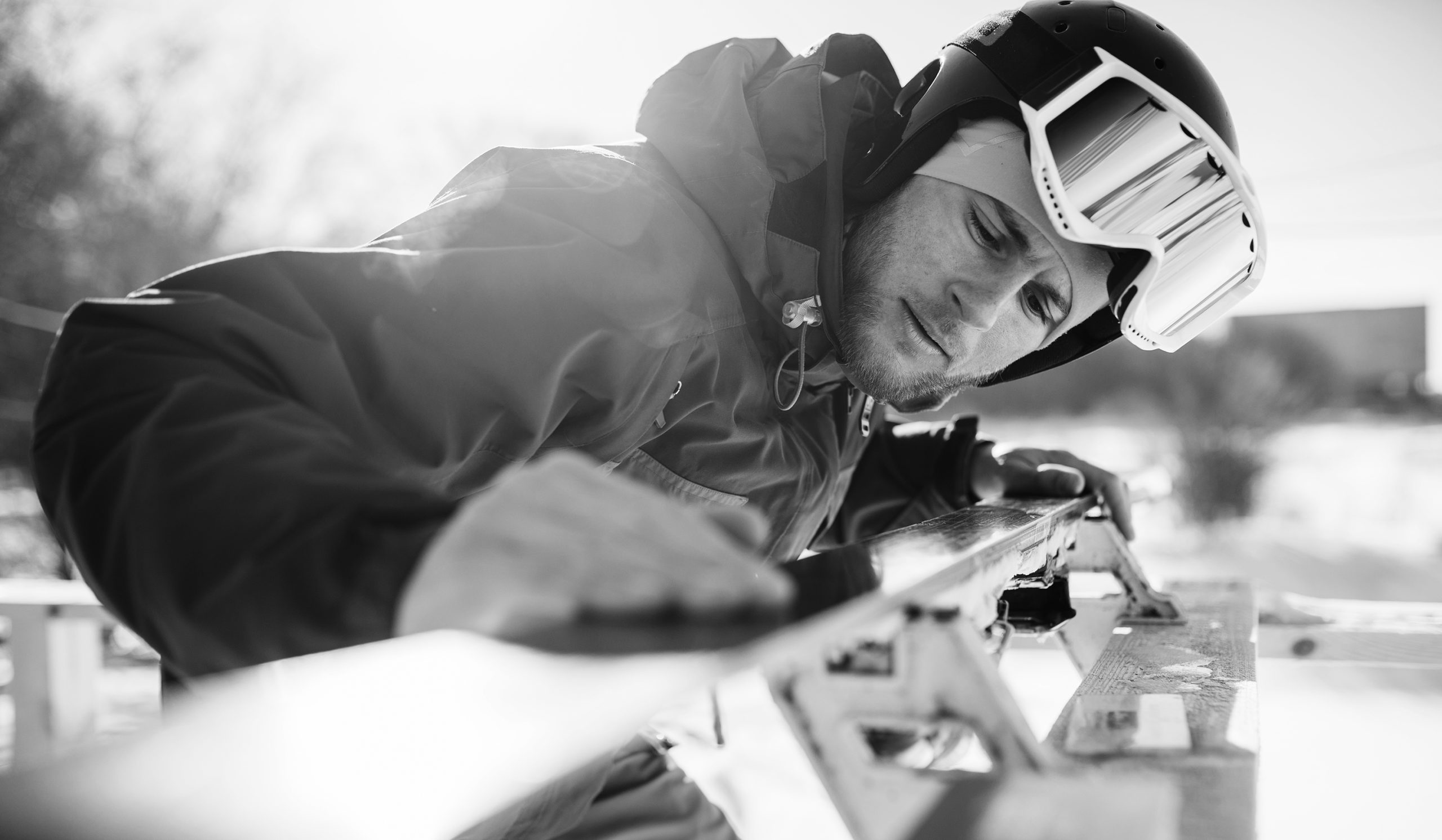
- Well-Maintained Gear: Ensure your equipment is in good condition and fits properly.
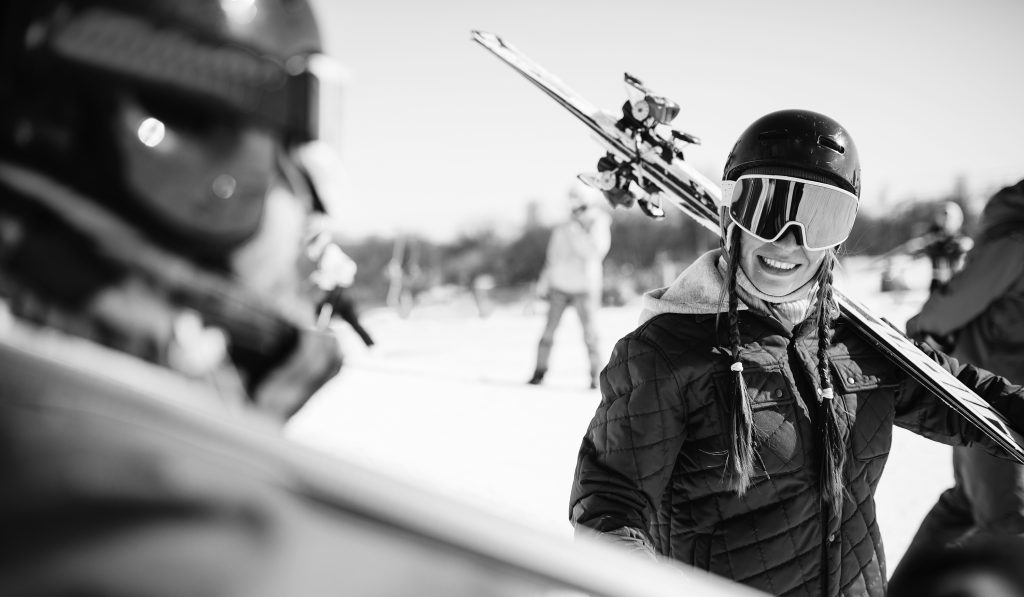
- Protective Gear: Wear helmets, goggles, and appropriate padding to minimize injury risks.
Physical Preparation
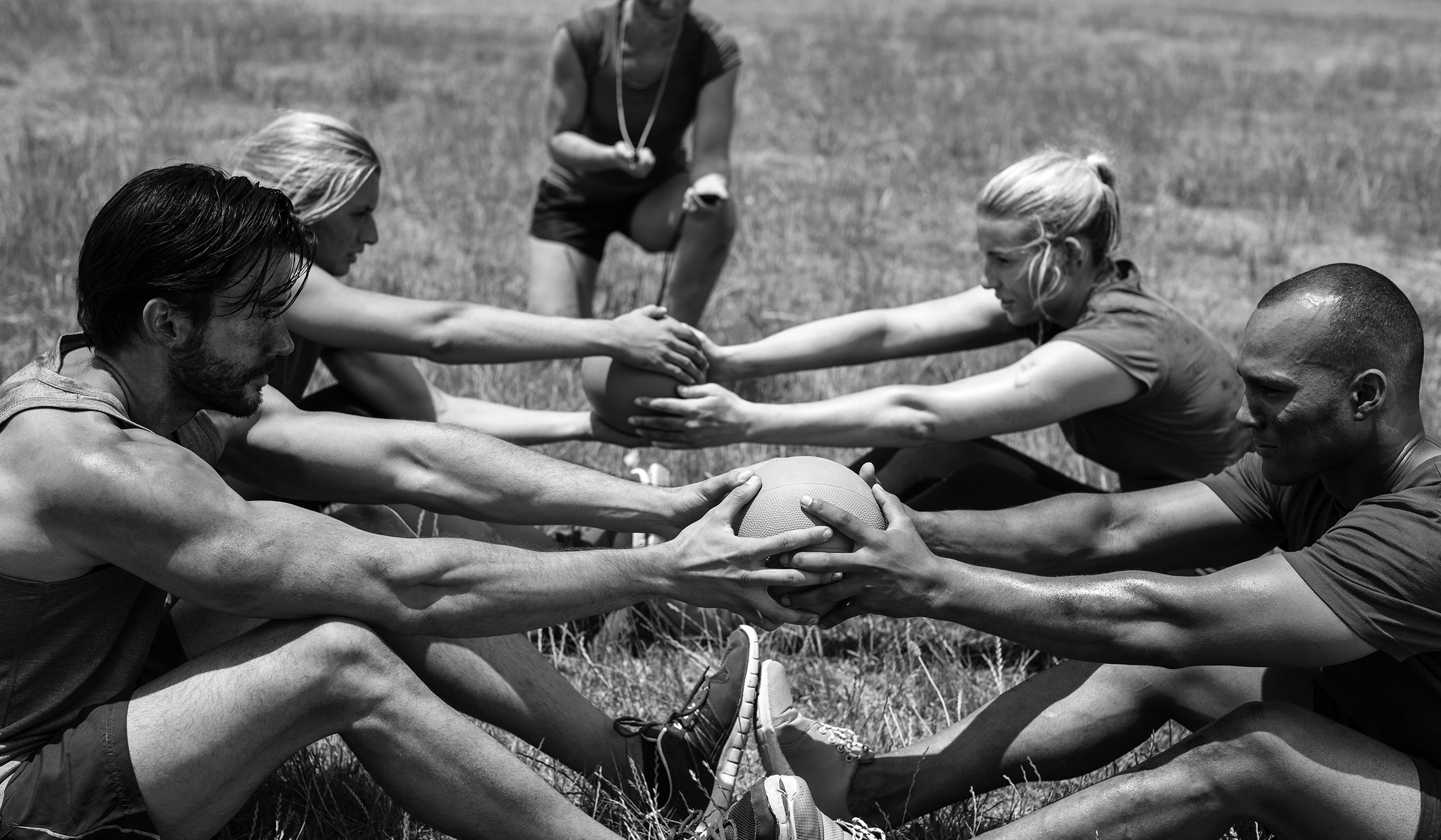
- Pre-Season Conditioning: Engage in exercises that enhance strength and flexibility, reducing the likelihood of strains and sprains.
- Warm-Up Routines: Warm up before hitting the slopes to prepare muscles and joints for physical exertion.
Weather Awareness
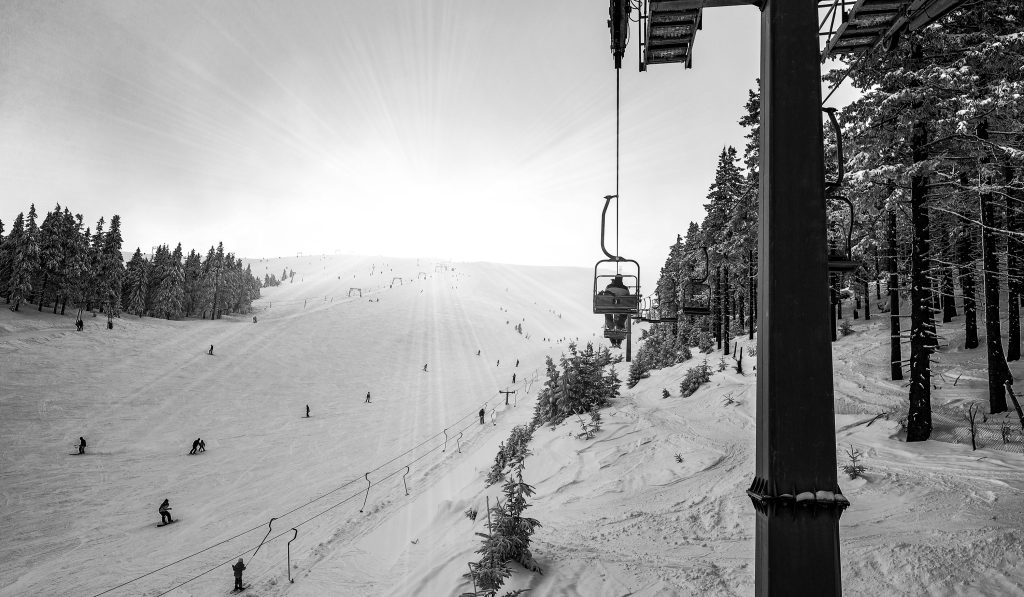
- Weather Conditions: Stay informed about weather forecasts and be aware of changing conditions that could affect safety on the slopes.
- Safety Protocols: Follow resort guidelines and heed warnings to avoid weather-related hazards.
Know Your Limits
- Skill Level: Assess your skill level realistically and avoid attempting slopes or maneuvers beyond your abilities.
- Risk Management: Make informed decisions to mitigate risks and ensure personal safety.
Insurance and Safety
Understanding the role of sports insurance is crucial for winter sports enthusiasts. Insurance coverage can provide financial protection in the event of accidents or injuries.
For more detailed information on sport-specific insurance, visit our complete list of sports.
Additional Resources
For further insights and safety guidelines, visit:
Safeguarding Winter Adventures: A Recap of Essential Safety Tips
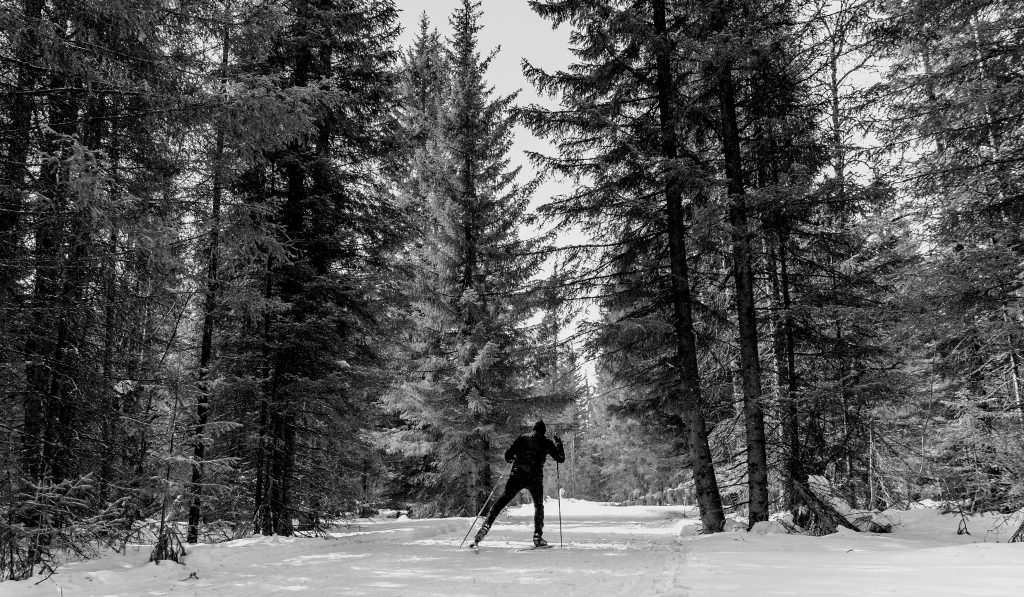
Ensure your winter adventures are safe and memorable by following these key safety tips. Prioritize preparation, awareness, and insurance coverage to enjoy a worry-free winter sports season.